Patient Info

Surgery with Dr. Raynor: What to Expect

From the day your surgery is scheduled to your first follow-up visit, here is how the process works, who you will meet, and what to have ready.

Texas Institute for Surgery, Dallas · Tuesdays and Thursdays

Questions? Call (214) 265-3211

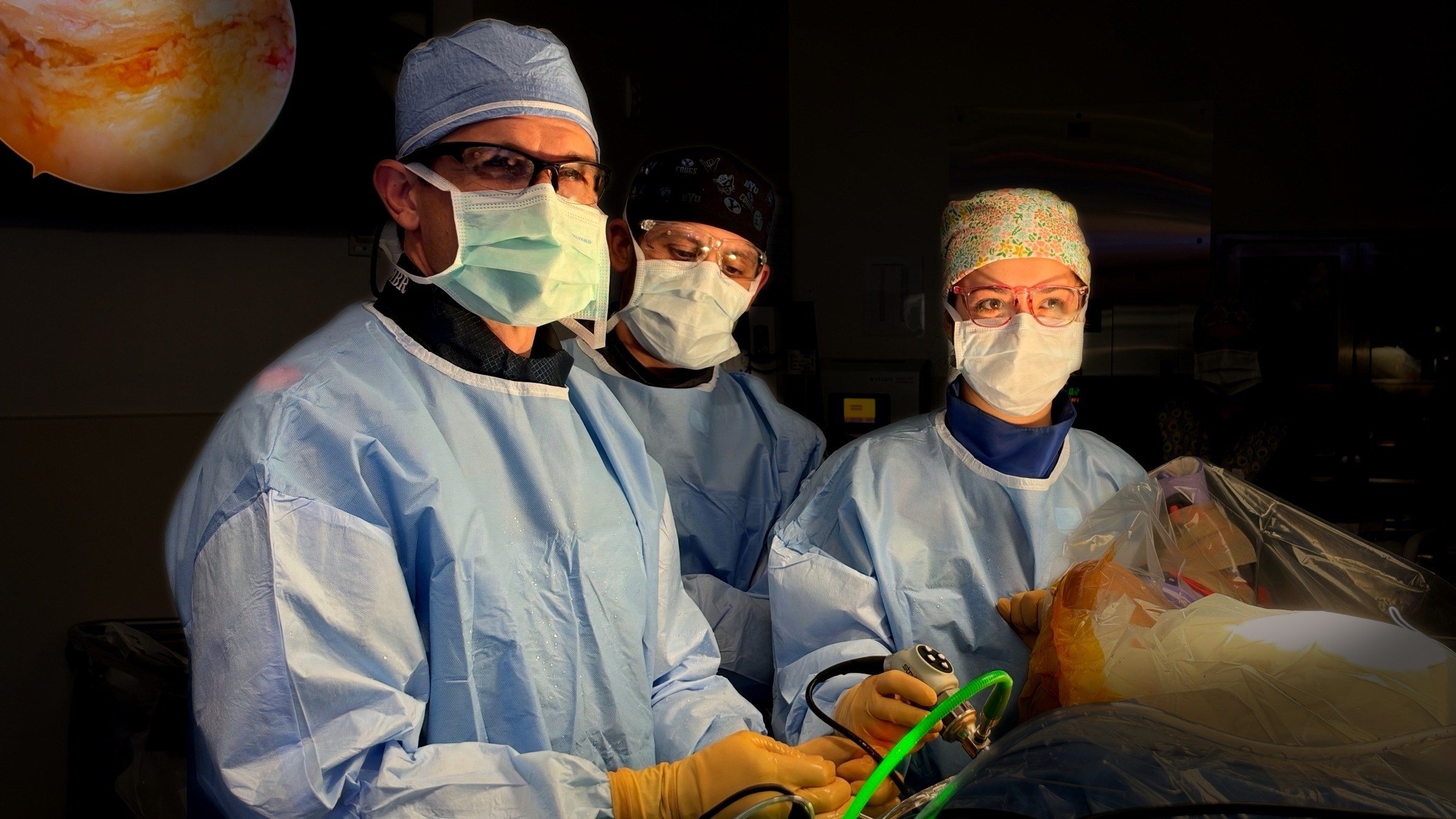
Dr. Brett Raynor in the operating room with his surgical team during an arthroscopic procedure in Dallas

Where: Texas Institute for Surgery, Dallas

Surgery days: Tuesdays and Thursdays

Going home: most procedures are same-day surgery

Questions: surgery scheduler, (214) 265-3210

Step by step

Six steps, start to finish

Every operation is a little different, and your written instructions always take priority over this page. This is the shape of the process for most of Dr. Raynor's patients.

1. Scheduling

Once you and Dr. Raynor decide on surgery, his surgery scheduler picks a date with you and the surgical coordinator handles insurance authorization and the surgery center paperwork. You will hear from the team with your date, arrival time and pre-operative instructions.

2. The week before

Before surgery the surgery center reviews your health history and medications with you and tells you when to stop eating and drinking, and the anesthesia team calls you the night before. Arrange a ride home and someone to stay with you the first night. Pick up any brace, sling or crutches the team asked you to have ready.

3. Surgery day

Check in at the Texas Institute for Surgery at your arrival time. You will meet the nursing staff, the anesthesia team and Dr. Raynor before the operation. Many procedures, though not all, include a nerve block placed before surgery to control pain for the first day; the anesthesia team goes over this with you when they call. Your family is updated as soon as the operation is finished.

4. Going home

Most of Dr. Raynor's procedures are same-day surgery. You go home with a dressing, any brace or sling your procedure calls for, written instructions and your prescriptions. The same day, usually right after Dr. Raynor finishes surgery, you receive an email from him with your post-operative instructions, videos and the links you will need.

5. The first two weeks

Rest, ice and the pain plan in your instructions. Your physical therapy protocol is written for your specific operation and tells your therapist exactly what to do and when. You will see Dr. Raynor or one of his physician assistants for your first follow-up visit, typically 7 to 14 days after surgery, and the team is a phone call away in between.

6. Recovery

Each procedure has its own recovery roadmap on this site, showing what the weeks and months after surgery look like and when you can expect to drive, return to work and return to sport. Follow-up visits continue until you are back to what you want to do.

Who is in the room

The same team, every case

Dr. Raynor performs every operation himself, assisted by his physician assistants, who you will also see in clinic before and after surgery. His scrub and nursing team has worked with him for years and knows his procedures step by step.

Meet Dr. Raynor and his team →

In the operating room with you

  • Dr. Raynor, operating surgeon

  • Dallin Wootton, PA-C, and Andrea Chladny, PA-C

  • A dedicated anesthesia team experienced in regional nerve blocks

  • The same scrub and nursing team on every case

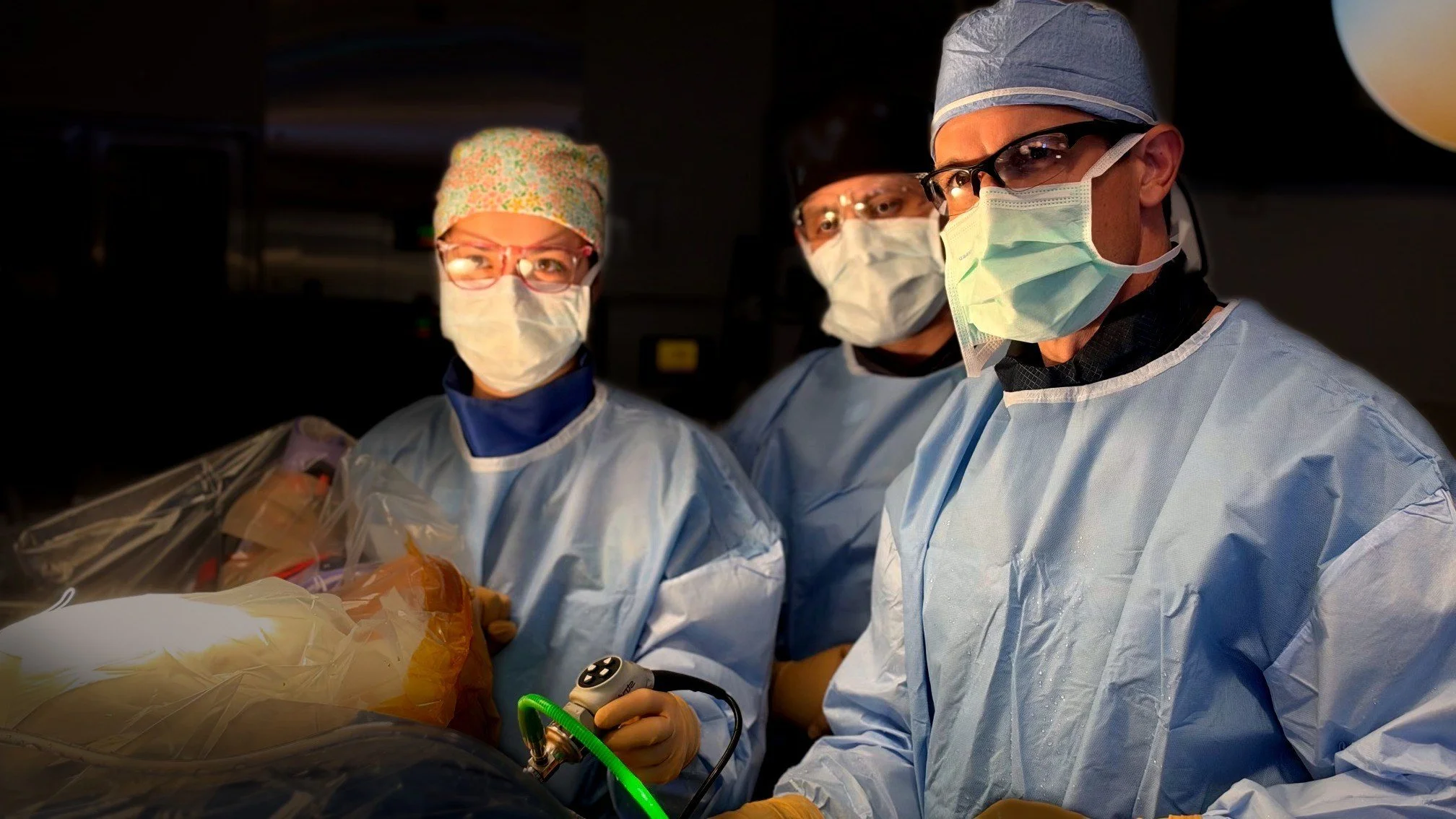
Dr. Brett Raynor at the arthroscope with his physician assistant and scrub team during surgery

Where surgery happens

Texas Institute for Surgery

Dr. Raynor operates at the Texas Institute for Surgery, the surgical hospital owned and run by his group, OrthoLoneStar. It is built around orthopaedic surgery: the operating rooms, equipment and staff are set up for exactly the procedures he does.

About the Texas Institute for Surgery · Directions and parking →

On surgery day

  • Arrive at the time the surgery center gives you

  • Bring your photo ID, insurance card and a list of your medications

  • Wear loose clothing that fits over a brace or sling

  • One adult can wait with you before surgery

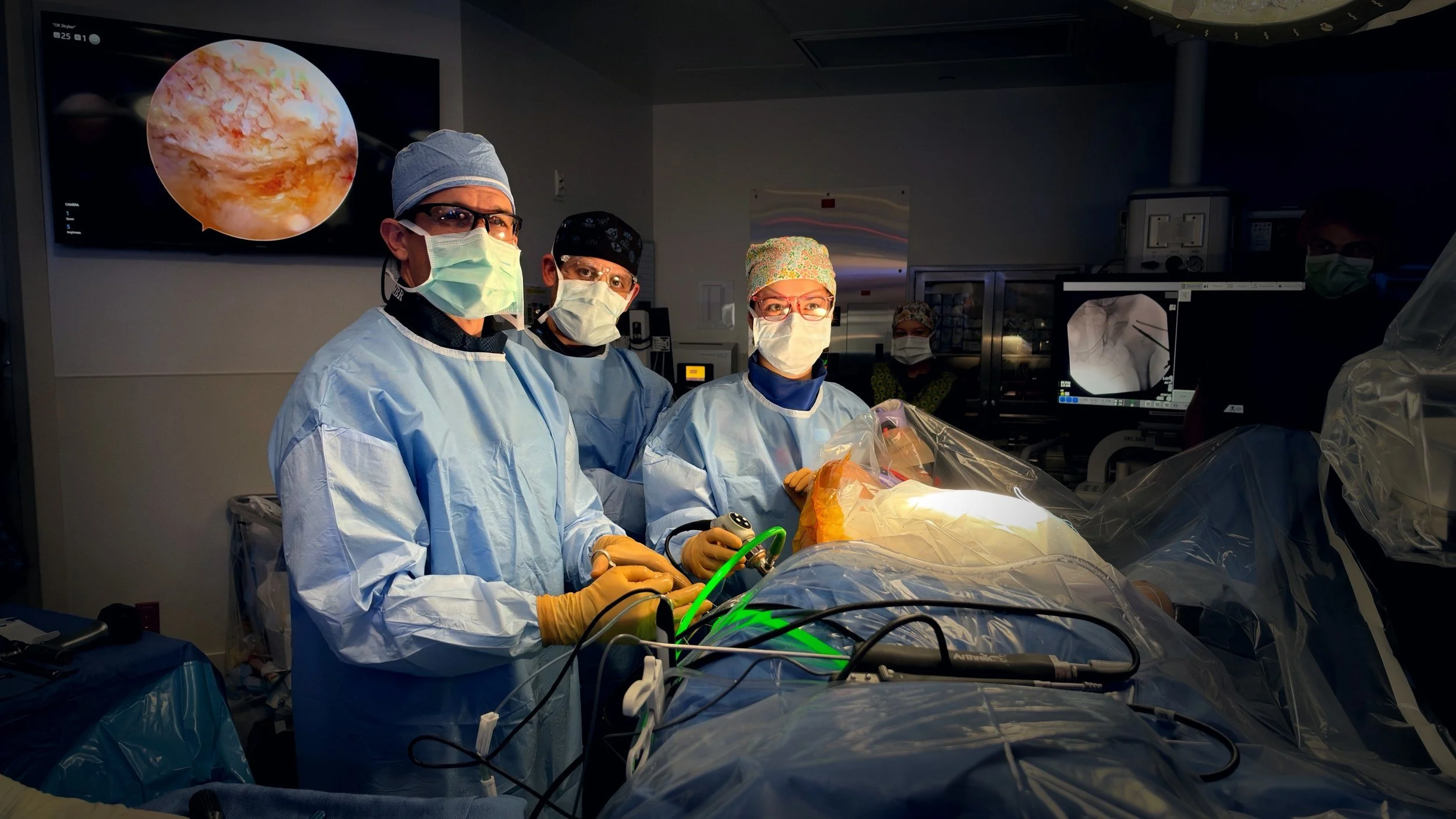
The operating room at the Texas Institute for Surgery during one of Dr. Raynor's arthroscopic cases

Questions patients ask before surgery

How long will I be at the surgery center?

It depends on the operation and on how the day runs, so plan your whole day around surgery and do not schedule other important events that day. You check in, meet the team, have the operation, and stay in recovery until you are comfortable, awake and ready to go home with your ride.

Will I have a nerve block, and what does it feel like when it wears off?

Many of Dr. Raynor's operations include a nerve block placed by the anesthesia team before surgery, but not all of them; the anesthesia team tells you when they call the night before. If you have one, the arm or leg feels heavy and numb, usually into the next day. As it wears off the pain comes on gradually, so start the pain medicine in your instructions before the block is completely gone rather than waiting for the pain to arrive.

When can I shower, drive and go back to work?

It depends on the operation, and your post-operative instructions answer each of these for your procedure. The recovery roadmaps on this site give the typical timeline for driving, desk work, physical work and sport for each surgery.

What should I do if I have a problem after hours?

For chest pain, trouble breathing or coughing up blood, call 911. For a fever, calf pain or swelling, or a problem with your incision, call the office at (214) 265-3211; after hours the answering service reaches the physician on call.

I am coming from out of town. How long should I plan to stay in Dallas?

Plan on at least two weeks in Dallas, sometimes up to six depending on the operation, so that your first follow-up and the start of therapy happen here. Dr. Raynor's team will tell you what your procedure needs before you book travel.

Questions about your surgery?

Call the office, or reach the surgery scheduler directly at (214) 265-3210. If you are not yet a patient, request an appointment and the team will call you to schedule.

Medically reviewed by M. Brett Raynor, M.D., board-certified orthopaedic sports medicine surgeon. Updated November 2026.