
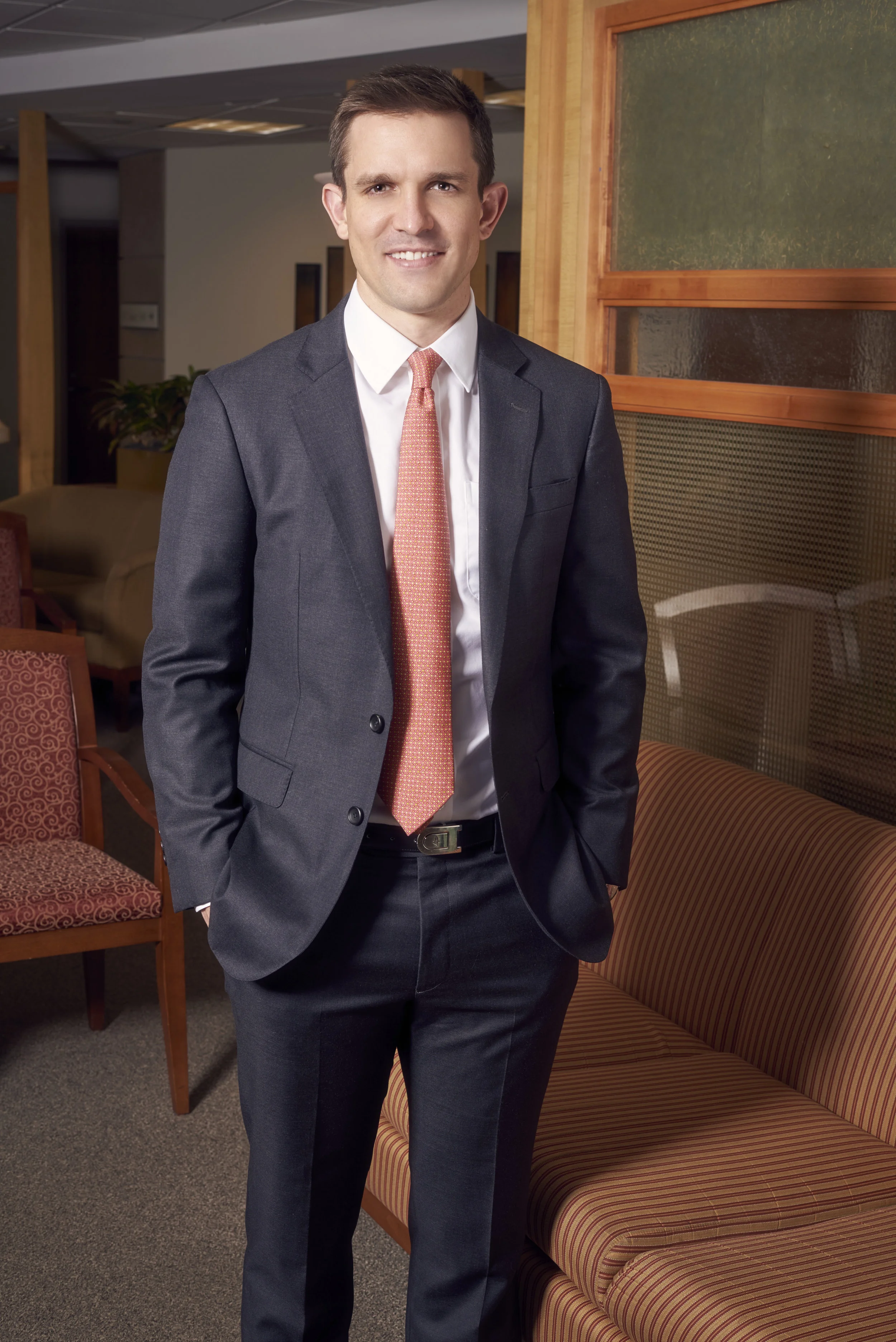
Board-certified in orthopaedic surgery, Dr. Raynor is respected for his innovative technique and his exceptional patient care. Fellowship-trained at the renowned Steadman Philippon Institute in Vail, Colorado, Dr. Raynor treats problems of the knee, hip, and shoulder. He is sought out for his expertise in complex knee ligament injuries as well as minimally-invasive arthroscopic surgery of the hip and shoulder.
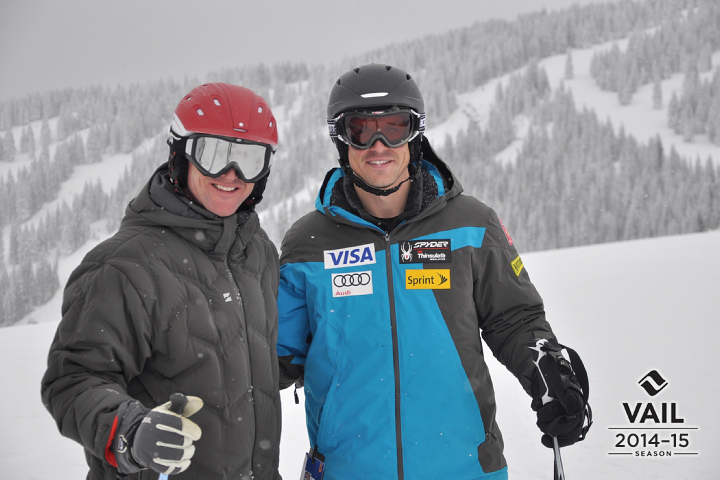
Dr. Raynor is an active member of the U.S. Ski and Snowboard Team physician pool and travels internationally with the athletes. He provides care for multiple sports and football teams in the DFW area. Dr. Raynor has published several papers in leading sports medicine journals and has presented his research nationally. Dr. Raynor instructs surgical courses and is a reviewer for the American Journal of Sports Medicine. He continues to be involved in teaching other surgeons and practitioners. He is the co-chairman of the DFW Sports Medicine Symposium here in Dallas, TX, and he is a regular lecturer at the Vail International Complex Knee Symposium in Vail, CO, where surgeons from around the world come together to discuss and learn about complex knee injuries. He is also an instructor for multiple Arthroscopy Association of North America Masters Courses around the country.
After an undergraduate degree from Duke University, Dr. Raynor earned his medical degree from U.T. Southwestern Medical School in Dallas and was elected to the AOA national medical honors society. He completed his orthopaedic surgery residency at Vanderbilt University Medical Center. He then completed a fellowship in orthopaedic sports medicine at the Steadman Philippon Research Institute in Vail, Colorado.
Dr. Raynor works to help his patients regain function in order to get back to whatever they love doing. A Dallas native, Dr. Raynor enjoys spending time with his wife, two young daughters and son, as well as running, cycling, and fly-fishing.
Frequently Asked Questions
-
Dr. Brett Raynor is a board-certified, fellowship-trained orthopaedic sports medicine surgeon. His practice centers on ACL reconstruction and other knee ligament surgery, meniscus repair, MPFL reconstruction for kneecap instability, rotator cuff repair, shoulder instability surgery, and hip arthroscopy. He completed his sports medicine fellowship at the Steadman Philippon Research Institute in Vail.
-
Yes. ACL reconstruction is a primary focus of his surgical practice. He performs arthroscopic ACL reconstruction with patellar tendon or quadriceps tendon autograft, or allograft when appropriate, and chooses the graft with each patient based on age, sport, and activity goals. His website has a step-by-step animation of the procedure and a page comparing graft options.
-
Yes. He performs revision ACL reconstruction. Most revisions are done in a single operation, often with added augmentation to lower the chance of another tear. When the old tunnels cannot hold a new graft, bone grafting is done first and the new graft is placed at a second operation. Which approach is right depends on the imaging, and he goes through that at the visit. Patients with a prior ACL surgery elsewhere are welcome to bring outside imaging and operative reports for review.
-
Yes. He treats recurrent kneecap dislocation with MPFL reconstruction and, when alignment requires it, tibial tubercle osteotomy. Many of these patients are teenagers and young athletes. A first-time dislocation is often treated without surgery; the decision depends on the imaging and how many times the kneecap has dislocated.
-
Yes. He performs arthroscopic rotator cuff repair and sees patients for evaluation of shoulder pain and weakness, with on-site X-ray at the first visit. Diagnosing a rotator cuff tear often requires an MRI in addition to the exam and X-rays. Not every rotator cuff tear needs surgery; the visit covers both surgical and non-surgical options.
-
Yes. He performs arthroscopic labral repair for shoulder instability and treats shoulder dislocations in athletes who want to get back to their sport.
-
Yes. A large part of the practice is young athletes and their parents. Dr. Raynor is team physician for Highland Park High School, St. Mark's School of Texas, Ursuline Academy of Dallas, The Hockaday School, and several Dallas ISD schools, and has served as a physician for the U.S. Ski and Snowboard Team. Injured athletes are usually seen within a few days.
-
A referral is not required for most insurance plans (check your plan). You can call the office at (214) 265-3211, self-schedule online at https://phreesia.me/Raynor, or submit an appointment request at https://www.brettraynormd.com/contact-2 and the office will call you back. New injuries, including ACL tears, are worked in quickly.
-
Texas Orthopaedic Associates, 7115 Greenville Ave, Suite 310, Dallas, TX 75231, near Walnut Hill Lane. There is a free parking lot at the building. Office hours are Monday through Thursday 8:00 AM to 4:30 PM and Friday 8:00 AM to 12:00 PM.
-
Yes to both. Second opinions are a regular part of his practice; patients, and often other physicians, ask him to review outside MRI, X-rays and surgical recommendations for knee, shoulder and hip problems. Out-of-town patients having surgery should plan on staying in the Dallas area for at least 2 weeks after the operation, sometimes longer depending on the procedure.
-
Yes. Dr. Raynor speaks Spanish, and the office has Spanish-speaking staff. Se habla español.