Rotator Cuff Repair · Dallas, Texas

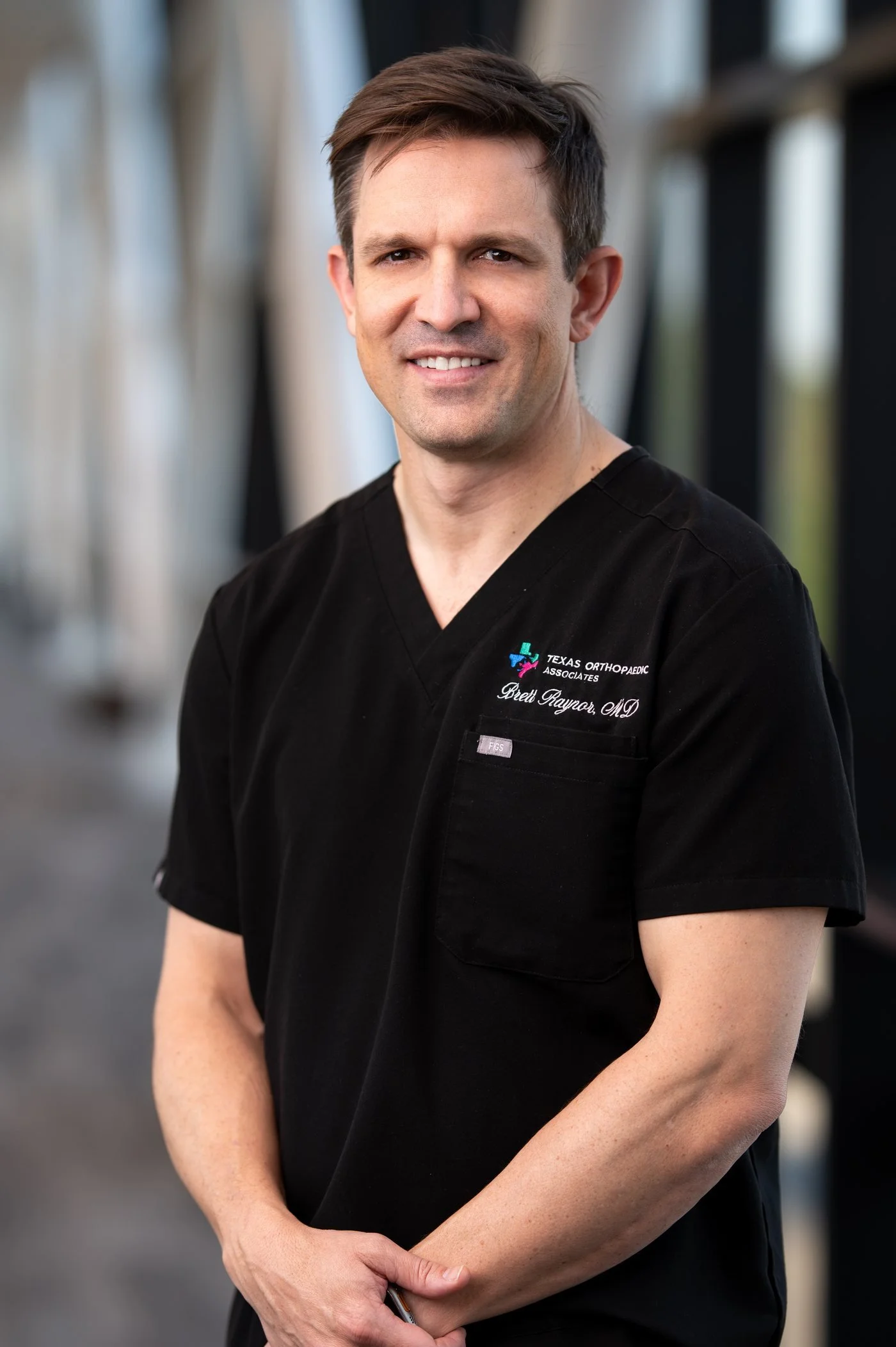
Rotator Cuff Surgeon in Dallas: Dr. Brett Raynor

Rotator cuff repair is one of the operations Dr. Raynor performs most often, from tears after an injury to the large and revision repairs that other surgeons refer to him.

Board Certified in Orthopaedic Surgery and Orthopaedic Sports Medicine · Fellowship-Trained in Vail

Or call (214) 265-3211

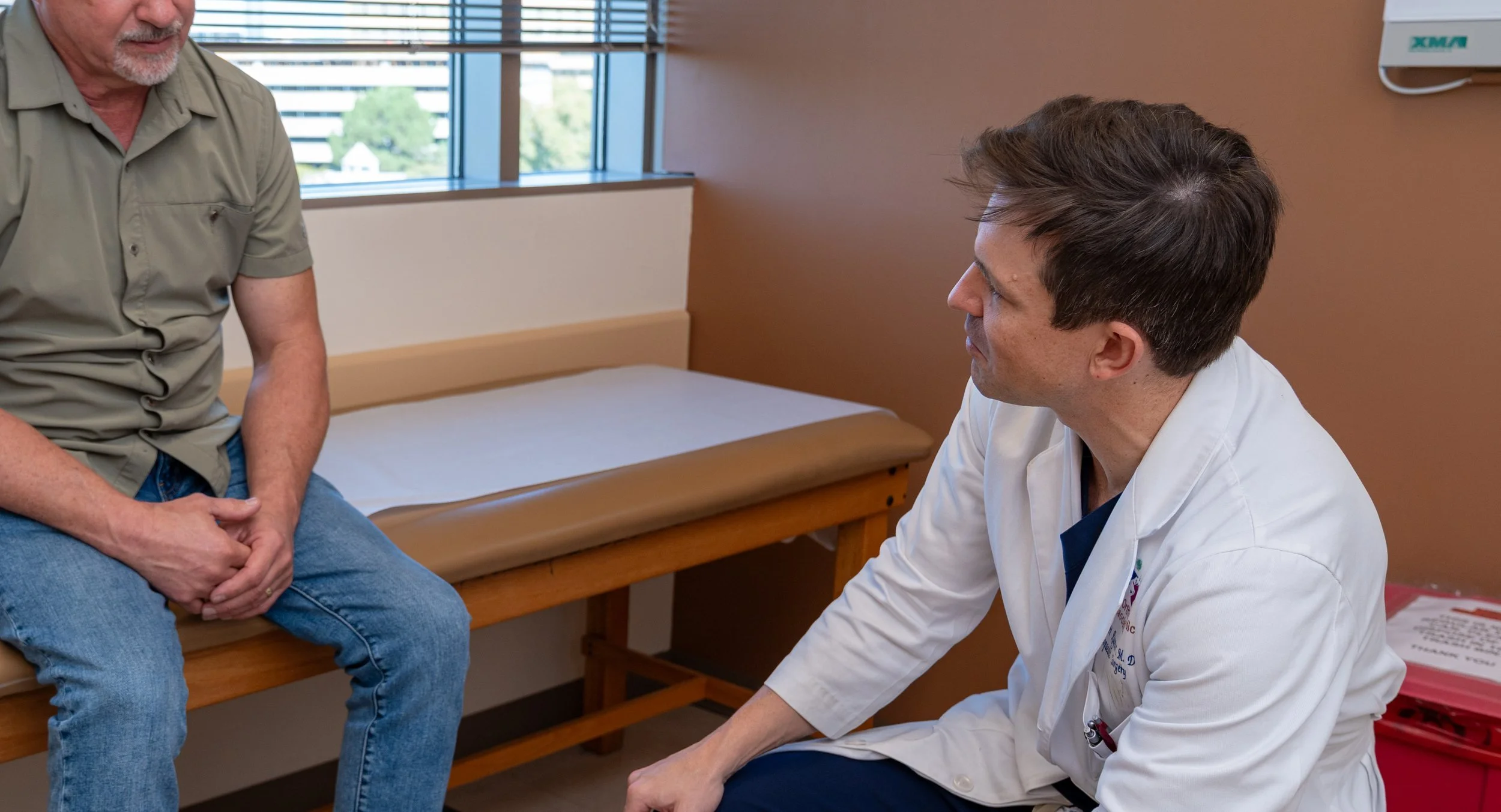
Dr. Brett Raynor, rotator cuff surgeon, talking with a patient in his Dallas clinic

D Magazine Best Doctors, every year since 2019

Team physician, U.S. Ski and Snowboard Team

Team physician for Dallas ISD, Highland Park, St. Mark's, Ursuline and Hockaday

Residency at Vanderbilt; sports medicine fellowship in Vail

Just hurt your shoulder? Fast Track. You do not need a diagnosis or an MRI first. New shoulder injuries, including rotator cuff tears and shoulder dislocations, are typically seen within 1 to 3 business days.

Sound familiar?

Shoulder problems Dr. Raynor sees every clinic day

Pain at night that wakes you up

Weakness lifting your arm overhead

A tear after a fall or a heavy lift

Physical therapy that has not helped

Told your tear is large or massive

A repair that has torn again

Told you need rotator cuff surgery?

Bring your MRI.

The first question is which kind of tear you have. A tear from an injury that left the arm weak does better when it is repaired within the first few months; a worn-in tear usually earns a real trial of physical therapy before anyone operates. Dr. Raynor sorts out which one you have, whether surgery is the right call, and exactly how he would do it.

What a second opinion with Dr. Raynor involves →

What to bring

  • Your MRI images, not just the report

  • The MRI report

  • Your operative report, if that shoulder has had surgery

  • Notes from any earlier visits

Why Dr. Raynor

Why patients choose Dr. Raynor for rotator cuff repair

One of the operations he performs most often

Including large and revision repairs that other surgeons refer to him.

The right timing

Tears from an injury that left the arm weak do better repaired early, so that conversation happens early. Worn-in tears usually start with therapy. He will tell you which you have.

A repair built to heal

Arthroscopic, through four small portals, with a double row of anchors that presses the whole width of the tendon against the bone, and the biceps tendon addressed at the same time so it does not keep hurting afterward.

Large, massive and failed repairs

He reads the MRI for tendon quality, retraction and muscle wasting before promising a repair, and a revision starts with why the first repair failed and what tissue is left to work with.

A recovery you can plan around

Outpatient surgery with a nerve block, six weeks in a sling, strengthening from three months, most patients doing what they want by six months.

Training and teaching

Vanderbilt residency, sports medicine fellowship at the Steadman Philippon Research Institute in Vail, published research on shoulder instability and shoulder pain, instructor at AANA Masters Courses, and reviewer for the American Journal of Sports Medicine since 2016.

Dr. M. Brett Raynor, orthopaedic sports medicine surgeon in Dallas

Dr. M. Brett Raynor

Thank you Dr. Raynor for using your amazing God given surgical talents and abilities for my very successful shoulder surgery. Your professional and excellent personal care is appreciated. I am on the road to a complete recovery. You are the Best!

CD · Shoulder Surgery

Read more patient reviews →

Rotator cuff procedures Dr. Raynor performs

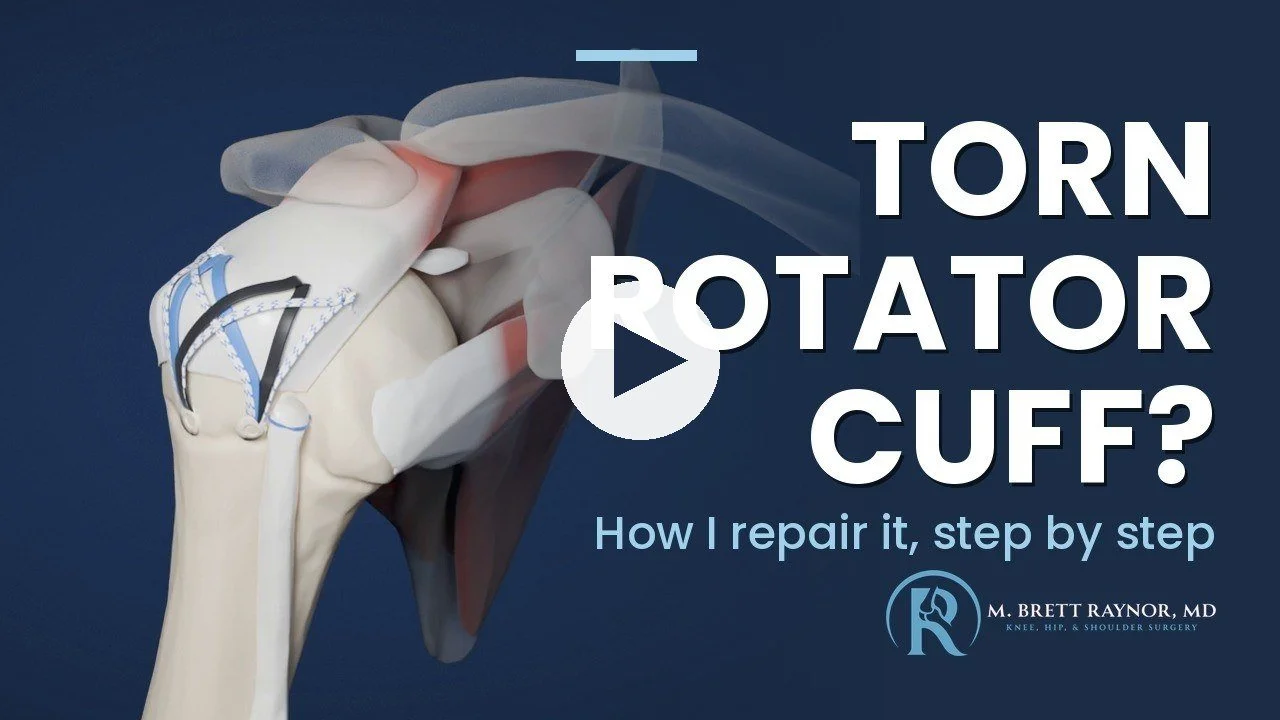
Dr. Raynor is a Dallas rotator cuff surgeon who evaluates and treats rotator cuff tears every clinic day. How he performs rotator cuff repair, step by step.

What is a rotator cuff tear, and how is it repaired?

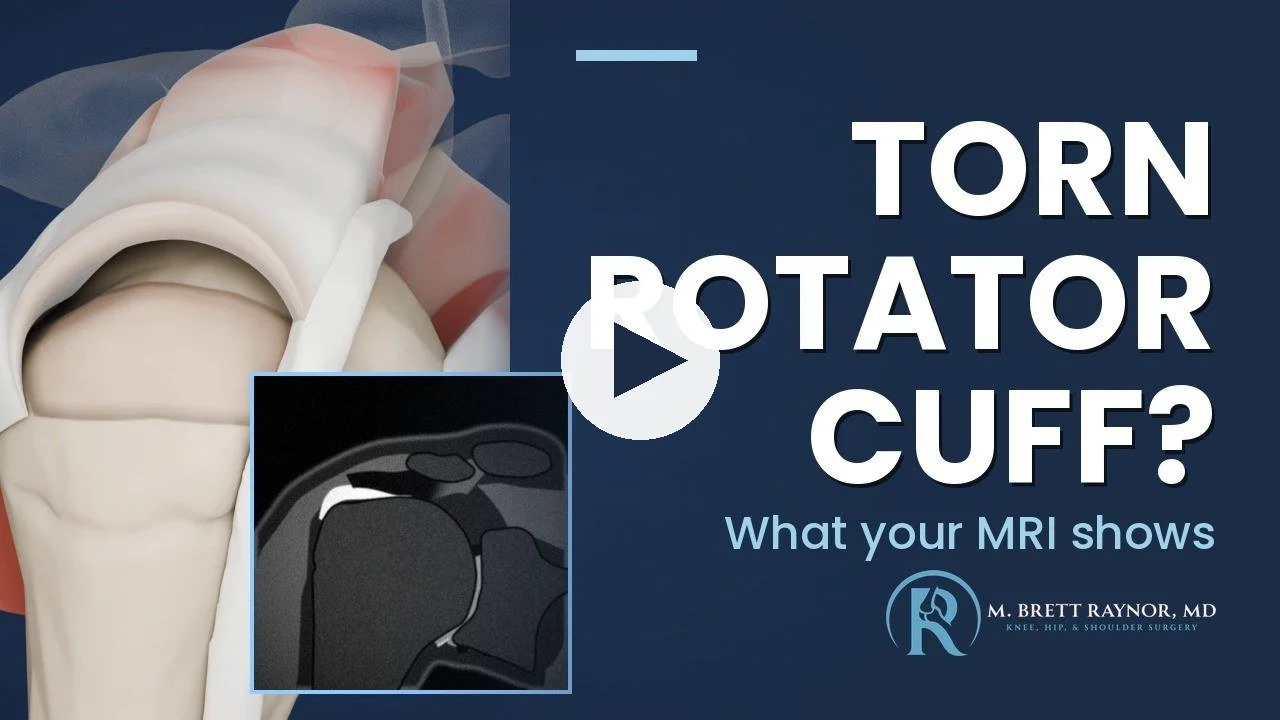
Watch Dr. Raynor walk through the repair step by step, and see what he looks for on your MRI.

What your rotator cuff MRI shows

Video · Read the transcript

Rotator cuff surgery questions

Does a rotator cuff tear need surgery?

A tear from an injury that left the arm weak does better when it is repaired within the first few months. A worn-in tear usually earns a real trial of physical therapy first. The MRI and the story of how it started tell Dr. Raynor which kind you have. Rotator cuff tears: symptoms, diagnosis and treatment.

How is the repair done?

Arthroscopically, through four small portals, with a double row of anchors that presses the whole width of the tendon flat against the bone, and the biceps tendon moved at the same time so it does not keep hurting afterward. Outpatient, with a nerve block. Watch the repair, step by step.

What is the recovery like?

Six weeks in a sling, strengthening from three months, most patients doing what they want by six months. The tendon heals, then gets strong over a few months. Pain varies; it is not an operation where you feel good right away. The recovery roadmap, week by week.

What if the tear is massive or has been there a long time?

Some can still be repaired, some need a different plan. Dr. Raynor reads the MRI for tendon quality, retraction and muscle wasting before promising a repair. Massive and irreparable rotator cuff tears: the options.

My repair tore again. Can it be fixed?

Often, yes. Revision rotator cuff repair starts with why the first repair failed and what tissue is left to work with. Revision rotator cuff repair.

Can I get a second opinion?

Yes, and it is a routine part of Dr. Raynor’s practice. Bring your MRI images and report, and your operative report if that shoulder has had surgery. He will go through the images with you, tell you what kind of tear you have and whether it needs repair, and explain exactly how he would do it. What a rotator cuff second opinion with Dr. Raynor involves.

Talk with Dr. Raynor about your shoulder

Request an appointment and his team will call you to schedule. Bring your MRI if you have one.

Medically reviewed by M. Brett Raynor, M.D., board-certified orthopaedic sports medicine surgeon. Updated November 2026.