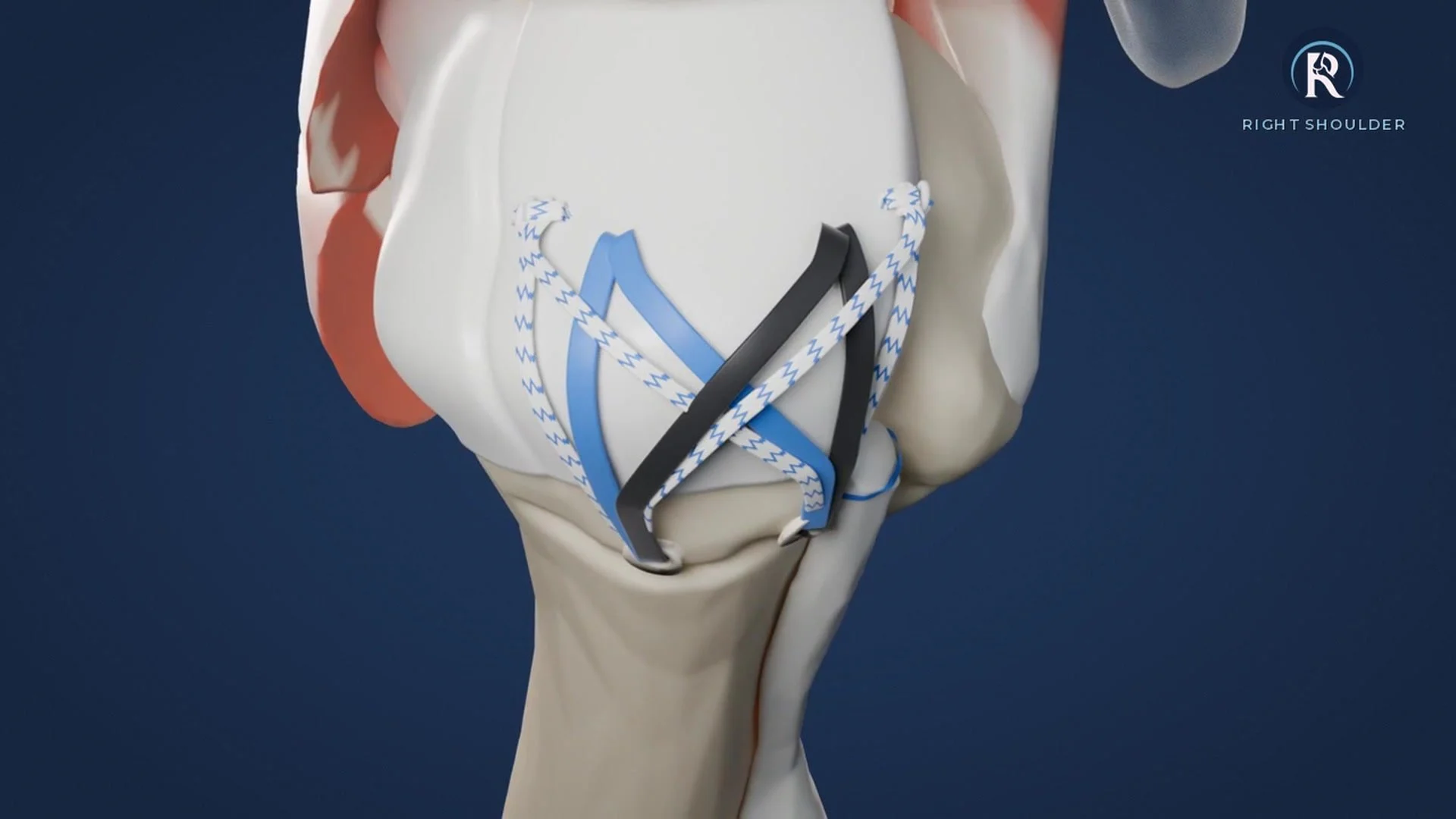
Dr. Raynor’s checklist for the weeks before rotator cuff repair: the MRI, timing, injections, medicines, smoking, setting up your home for six weeks in a sling, and what the first weeks look like.

A torn rotator cuff is a common cause of shoulder pain and can limit your ability to perform everyday activities. In some cases, surgery may be necessary to repair the damage and relieve your symptoms. If you are considering rotator cuff tear surgery, it is important to understand who may benefit from the procedure and what to expect during the recovery process.
Not everyone with a torn rotator cuff requires surgery. In fact, many people are able to manage their symptoms with physical therapy, rest, and pain medication. However, surgery may be necessary if:
Your symptoms persist for more than 6 months
You have a large or complete tear in your rotator cuff
You have significant weakness or loss of function in your shoulder
You have a high demand job or participate in sports that require overhead arm movements
If you are experiencing any of these symptoms, it is important to consult with an orthopedic surgeon to determine if rotator cuff tear surgery is right for you.
Rotator cuff repair surgery is typically performed arthroscopically, which means that the surgeon will make small incisions in your shoulder and use a camera and specialized instruments to repair the tear. The procedure usually takes 1-2 hours and is performed under general anesthesia.
After the surgery, you will need to wear a sling for several weeks to support your shoulder as it heals. You will also need to participate in a rehabilitation program to regain strength and mobility in your shoulder. Your doctor will provide specific instructions on how to care for your shoulder and when you can return to normal activities.
Recovery from rotator cuff tear surgery can take several months, and it is important to follow your doctor's instructions carefully to ensure the best possible outcome. You will likely need to attend physical therapy sessions for several weeks or months to regain strength and mobility in your shoulder.
It is normal to experience some pain and discomfort after the surgery, but your doctor can prescribe medication to manage these symptoms. You should also avoid lifting heavy objects or participating in activities that require overhead arm movements for several weeks after the surgery.
With proper care and rehabilitation, most people are able to regain full function in their shoulder after rotator cuff tear surgery.
If you have a torn rotator cuff and are experiencing pain or loss of function in your shoulder, rotator cuff tear surgery may be an option to relieve your symptoms and improve your quality of life. Talk to an orthopedic surgeon to determine if surgery is right for you and to learn more about what to expect during and after the procedure. With proper care and rehabilitation, you can recover successfully and regain full function in your shoulder.
Sports injuries can happen to anyone, whether you're a professional athlete or just someone who enjoys recreational activities. These injuries can range from minor sprains and strains to more serious fractures or ligament tears, and can cause significant pain and disruption to your daily routine.
Fortunately, there are steps you can take to prevent sports injuries and keep yourself in top physical condition. As an orthopaedic sports medicine specialist, I've seen firsthand the importance of injury prevention in sports. In this blog post, I'll be sharing some tips on how to prevent sports injuries and stay healthy while participating in physical activities.
Warm up before exercising: One of the most important things you can do to prevent sports injuries is to properly warm up before you begin exercising. A good warm-up routine should include some light cardio, like jogging or jumping jacks, as well as some dynamic stretching to get your muscles ready for action. This can help prevent muscle strains and other soft tissue injuries.
Wear appropriate gear: The right gear can make a big difference in preventing sports injuries. Make sure you're wearing shoes that fit properly and provide good support, as well as any other protective gear that's appropriate for your sport. For example, if you're a skateboarder, you should always wear a helmet to protect your head in case of a fall.
Focus on form and technique: Proper form and technique can help prevent sports injuries by reducing the strain on your joints and muscles. Make sure you're using the correct form for your sport, and consider working with a coach or trainer to ensure that you're doing everything correctly.
Gradually increase intensity: It's important to gradually increase the intensity of your workouts or training sessions, especially if you're just starting out or coming back from an injury. Jumping into a high-intensity workout without proper preparation can increase your risk of injury.
Listen to your body: Pay attention to any signs of pain or discomfort, and don't push yourself too hard if you're feeling fatigued or sore. Rest and recovery are an important part of injury prevention, so make sure you're giving your body the time it needs to heal and recover.
Stay hydrated: Proper hydration is essential for good health and can also help prevent sports injuries. Make sure you're drinking enough water before, during, and after your workouts or training sessions, especially in hot or humid weather.
Incorporate strength training: Building strength can help prevent sports injuries by improving your overall physical condition and reducing your risk of muscle imbalances or weakness. Incorporate strength training exercises into your workouts or training sessions, focusing on areas that are particularly vulnerable to injury in your sport.
By following these tips, you can reduce your risk of sports injuries and stay healthy and active for years to come. If you do experience an injury, it's important to seek medical attention right away to ensure that you receive proper treatment and care. As an orthopaedic sports medicine specialist, I'm here to help you stay healthy and injury-free so you can continue to enjoy the sports and activities you love.
Shoulder pain is a common problem that can range from a minor annoyance to a debilitating issue that affects your daily life. It can be caused by a range of issues, from minor injuries to chronic conditions. While some shoulder pain can be managed with rest and self-care, there are times when it's important to see a doctor. In this article, we'll discuss when you should seek medical attention for your shoulder pain.
Shoulder pain can be caused by a range of conditions and injuries, including:
Rotator cuff injuries: These are some of the most common shoulder injuries, and they can be caused by repetitive movements, overuse, or sudden trauma. Symptoms include pain, weakness, and limited range of motion.
Impingement: This condition occurs when the tendons in the shoulder become pinched or compressed, leading to inflammation and pain. Impingement can be caused by repetitive overhead movements or shoulder instability.
Tendinitis: This condition is characterized by inflammation of the tendons and can cause pain and stiffness in the shoulder.
Labral tears: These injuries involve damage to the labrum, which is a ring of cartilage that surrounds the shoulder socket. Labral tears can cause pain, popping or grinding sensations, and a feeling of instability in the shoulder.
Dislocated shoulder: This occurs when the upper arm bone pops out of the shoulder socket. Dislocations can be caused by sudden impact or trauma, and they can cause severe pain, swelling, and immobility.
Fractured bones: Shoulder fractures can occur in the collarbone (clavicle), upper arm bone (humerus), or shoulder blade (scapula), and they can cause severe pain, swelling, and bruising.
Frozen shoulder: This condition is marked by stiffness and pain in the shoulder joint, and can limit your range of motion.
Arthritis: Arthritis can cause pain, stiffness, and swelling in the shoulder joint. There are different types of arthritis that can affect the shoulder, including osteoarthritis and rheumatoid arthritis.
These conditions and injuries can occur in isolation or in combination with one another. Knowing which type of shoulder pain you have can help you and your doctor identify the most effective treatment options.
Shoulder pain can range from mild discomfort to severe and debilitating pain. In general, it's a good idea to see a doctor if you experience any of the following:
Severe pain: If you experience sudden and severe shoulder pain, or if your pain is so intense that it interferes with your daily activities, you should seek medical attention right away.
Persistent pain: If your shoulder pain has lasted for several days or weeks and does not seem to be improving, it's a good idea to see a doctor.
Limited range of motion: If you have difficulty moving your shoulder or lifting your arm, or if you notice a decrease in your range of motion, it's important to get evaluated by a doctor.
Swelling or bruising: If you notice swelling or bruising around your shoulder joint, or if the area feels warm or tender to the touch, you should see a doctor.
Numbness or tingling: If you experience numbness or tingling in your arm or hand, or if you feel a "pins and needles" sensation, you should seek medical attention.
Difficulty sleeping: If your shoulder pain is keeping you awake at night or interfering with your ability to get a good night's rest, it's time to see a doctor.
It's important to remember that some shoulder injuries and conditions can worsen over time if left untreated. If you're experiencing any of the symptoms listed above, it's best to seek medical attention sooner rather than later.
To diagnose the underlying cause of your shoulder pain, your doctor will likely perform a physical exam and may order imaging tests, such as X-rays or MRI scans.
The treatment for shoulder pain will depend on the underlying cause. Treatment options may include:
Rest and ice
Physical therapy
Anti-inflammatory medications
Corticosteroid injections
Surgery (for more severe cases)
Your doctor will be able to recommend the most appropriate treatment based on your individual needs.
Shoulder pain can be a frustrating and debilitating issue, but it's important to know when to seek medical attention. If you experience severe or persistent pain, limited range of motion, or any other concerning symptoms, it's important to see a doctor. Early diagnosis and treatment can help prevent further damage and improve your overall quality of life.
In summary, if you're experiencing shoulder pain, pay attention to the severity and duration of the pain, and any other symptoms you may be experiencing. If you're unsure about whether to see a doctor, it's always better to err on the side of caution and make an appointment to get checked out.
In this post, we'll discuss some of the conservative treatment options for rotator cuff tears, including physical therapy and medications.
Physical therapy can be a highly effective treatment for rotator cuff tears, especially if the tear is small or partial. A physical therapist can work with the patient to develop a personalized exercise program to strengthen the muscles around the shoulder joint, improve range of motion, and reduce pain and inflammation. Physical therapy may also involve modalities such as ultrasound, electrical stimulation, and manual therapy to help promote healing.
Medications such as nonsteroidal anti-inflammatory drugs (NSAIDs) can help to reduce pain and inflammation in the shoulder. In some cases, corticosteroid injections may be recommended to help reduce pain and inflammation as well. However, it is important to note that these medications only treat the symptoms of a rotator cuff tear and do not actually repair the tear itself.