
ACL Reconstruction
Watch Dr. Raynor walk through an ACL reconstruction with a patellar tendon (BTB) graft, step by step, the way he performs the operation. For chapters, the full transcript and common questions, see the patellar tendon graft video page.
Watch Dr. Raynor walk through an ACL reconstruction with a quadriceps tendon graft, step by step, the way he performs the operation. For chapters, the full transcript and common questions, see the quadriceps tendon graft video page.
What is ACL reconstruction?
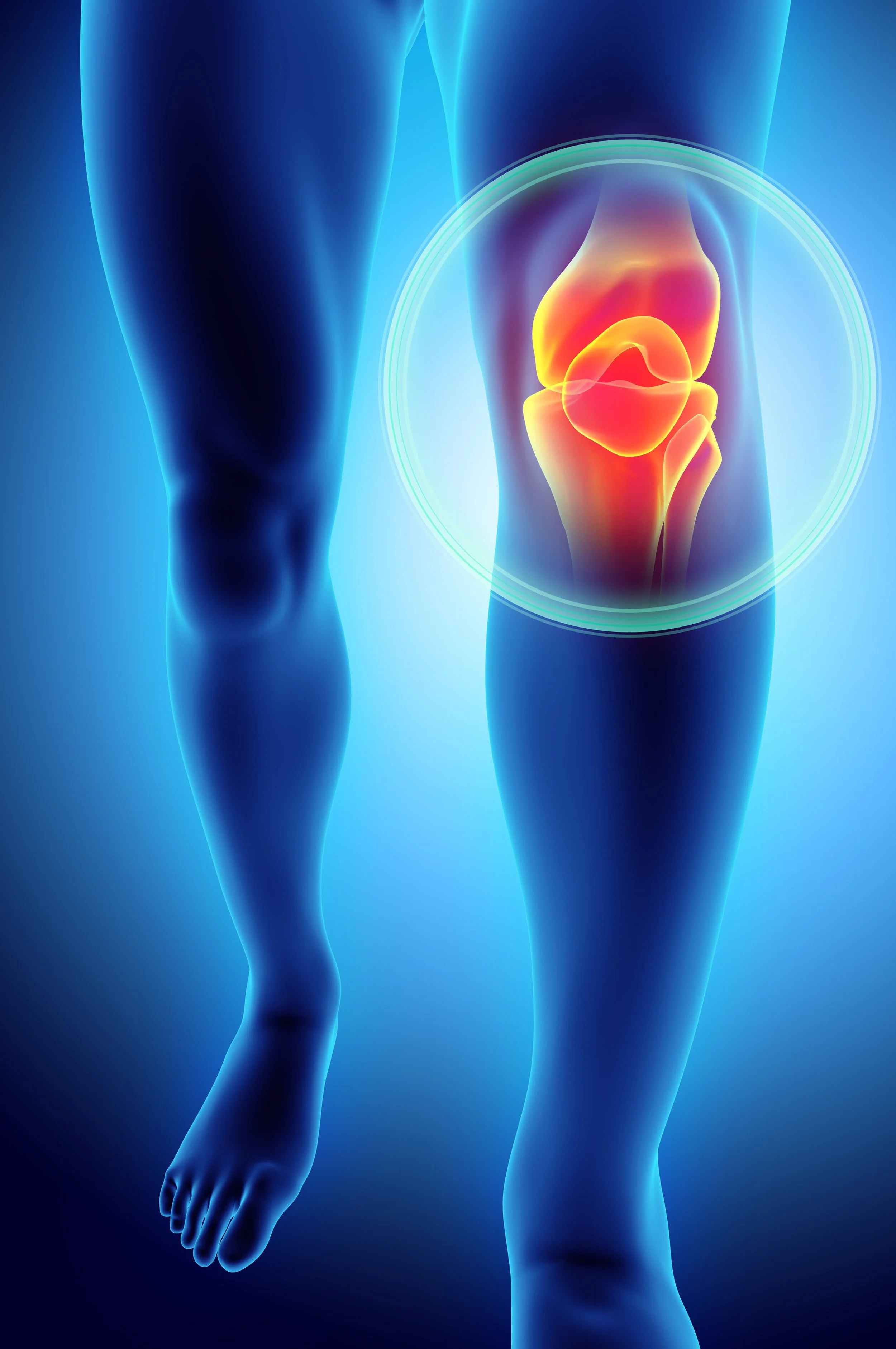
ACL reconstruction rebuilds a torn anterior cruciate ligament so the knee is stable again for cutting, pivoting and twisting. Once the ACL tears, it typically does not heal on its own. Instead of repairing it, Dr. Raynor makes a new ligament and places it right where the original ACL was. ACL reconstruction is an outpatient surgery, so you go home the same day.
For more about ACL tears, how they happen and when they need surgery, see ACL Tears. You can also read why patients choose Dr. Raynor as their Dallas ACL surgeon.
Before surgery
In most cases the ACL does not have to be fixed right away. We usually send patients to physical therapy ("prehab") for about 3 weeks before surgery to get motion and strength back and the swelling down. If you have already waited, it is the same surgery now as later, as long as the knee doesn't give way and damage the meniscus or cartilage in the meantime. If other ligaments are injured or there is a displaced meniscus tear, we may discuss a more urgent time course.
How Dr. Raynor performs ACL reconstruction
The surgery is done arthroscopically, through small incisions with a camera. These are the steps with a patellar tendon graft, the same ones shown in the video above.
- Exam under anesthesia. Once you are asleep, Dr. Raynor checks the knee one more time, including the pivot shift, the shifting you feel when the knee gives way.
- A look inside. Two small poke-hole incisions on either side of the patellar tendon, one for the camera and one for the instruments. He checks the meniscus, cartilage and other ligaments and treats anything else that needs it.
- Clearing out the torn ACL. A small shaver removes the torn ligament from both ends.
- Taking the graft. Through an incision over the patellar tendon, he takes the middle third of your own tendon, exactly 10 millimeters wide, with a small block of bone at each end so the graft heals bone to bone.
- Making the tunnels. A flexible reamer makes a socket in the thigh bone right where your ACL started, sized to your graft. A coring reamer makes the tunnel in the shin bone and saves that bone.
- Placing the new ligament. The graft is pulled into place and held with a screw at each end that dissolves over time.
- Bone grafting. The bone saved from the tunnel fills the spots where the graft was taken.
- Closing. Each poke hole gets a single stitch. The graft incision is closed with dissolving stitches under the skin and skin glue on top.
Graft options
The new ligament is made from a graft, and you and Dr. Raynor will choose it together based on your age, your sport and your knee. There are 4 main options: your own patellar tendon, hamstring or quadriceps tendon, or donor tissue (allograft). The chart below compares them.

Click the chart to open it full size.
Recovery and return to sport
Recovery after ACL reconstruction is long, but it is active, and physical therapy starts right away. As a general rule, you will feel good at about 6 weeks, really good at 3 months, and then spend the following months strengthening the knee.
- Running: usually around 4 months
- Return to sports: about 7 to 9 months, once strength and testing in physical therapy show you are ready
- Why wait until 9 months: the risk of reinjuring the knee goes down when athletes wait until about 9 months to return to cutting and pivoting sports (Grindem et al., 2016)
The ACL recovery roadmap walks through each stage. If you have already had surgery, enter your surgery date and it will show you where you are and what comes next.